
Beyond Passwords: The Future of Identity and Access Management

November 12, 2025

Passwords have been the backbone of digital security for decades.


Yet, as cyber threats grow more sophisticated and user expectations for seamless experiences rise, the limitations of passwords have become painfully clear. 


Forgotten credentials, phishing attacks, and password fatigue plague businesses and users alike.


In 2025 and beyond, the future of identity and access management (IAM) is moving decisively beyond passwords, ushering in a new era of security, convenience, and trust. 


Why Passwords Are Fading Away 

Passwords are easy to forget, often reused, and highly vulnerable to attacks.


According to recent cybersecurity reports, over 80% of hacking-related breaches involve compromised credentials or weak passwords. Even strong passwords can be phished or exposed in data breaches, making them unreliable as a sole security measure. 


For businesses, password resets are a costly headache—responsible for up to half of IT support tickets in large organizations.


The frustration for users is real: frequent resets, lockouts, and cumbersome login processes lead to lost productivity and even abandonment of the brand. 


The Rise of Passwordless Authentication 

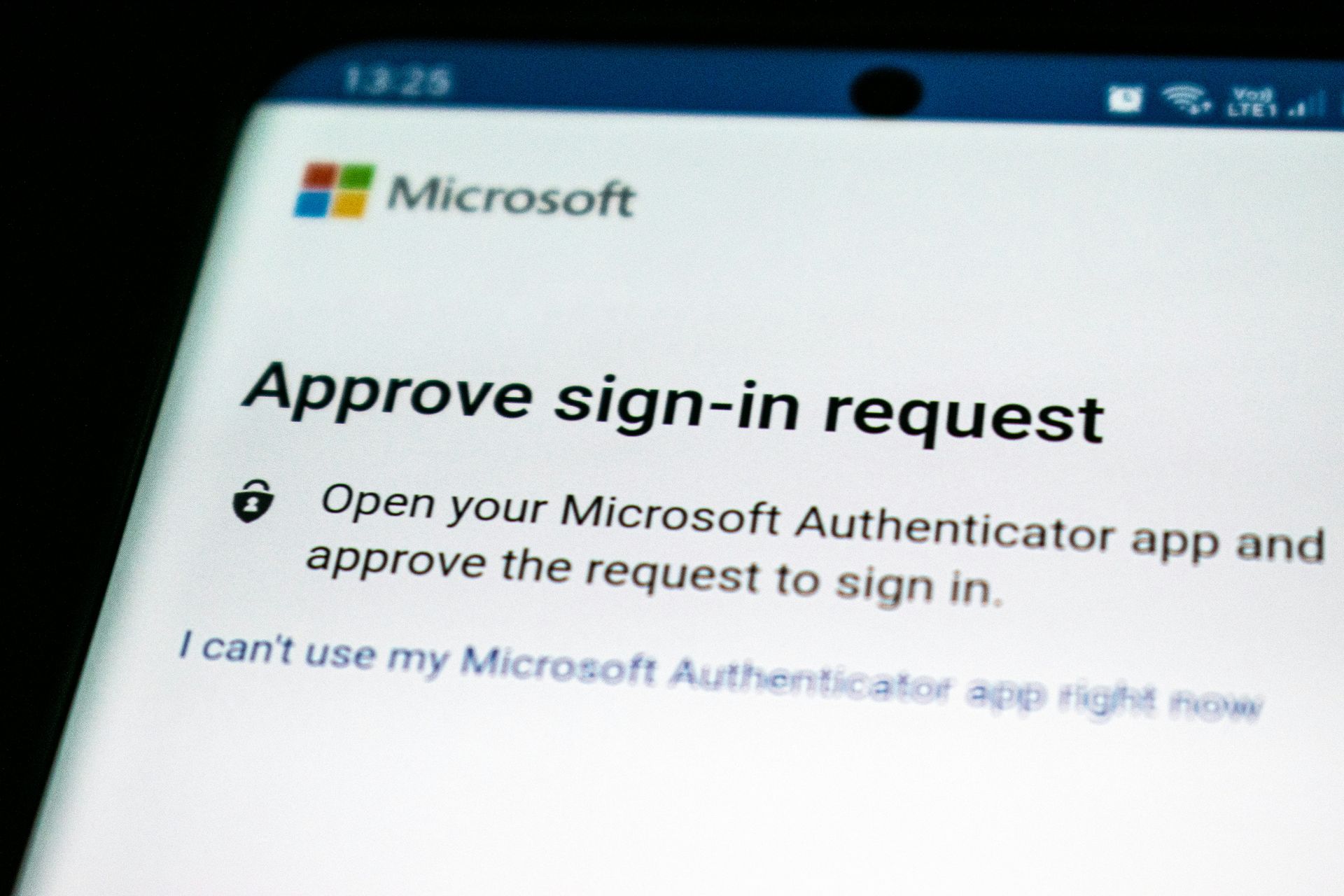
Passwordless authentication is rapidly becoming the new standard. Instead of relying on something you know (a password), these systems use something you have (a device or token) or something you are (biometric data) to verify identity.


Technologies driving this shift include:


  • Passkeys (FIDO2/WebAuthn): Cryptographic credentials stored securely on devices, enabling logins without passwords.
  • Biometric Authentication: Fingerprint, facial, or iris recognition for fast, secure access.
  • Multi-Device Syncing: Seamless login experiences across phones, tablets, and computers.
  • Hardware Security Modules (HSMs): Secure elements in devices that store cryptographic material.


Major tech companies, including Apple, Google, and Microsoft, now support passkeys and biometric logins across their respective ecosystems.


Businesses are adopting passwordless solutions to reduce phishing risk, improve user experience, and streamline operations. 

Biometrics: Security Meets Convenience 

Biometric authentication is at the heart of the passwordless revolution. Unlike passwords, biometric traits (such as fingerprints or facial features) are unique to each individual and difficult to steal or replicate.


  • Improved User Experience: No more forgotten passwords or token mismatches.
  • Enhanced Accountability: Biometric traits cannot be easily shared, thereby increasing trust.
  • Continuous Authentication: Behavioral biometrics (like typing patterns or mouse movements) provide ongoing verification throughout a session.


However, businesses must strike a balance between convenience and privacy. Biometric data should be encrypted both in transit and at rest, and users should be informed about how their data is stored and used. 


Zero Trust: Never Trust, Always Verify 

The Zero Trust security model is transforming IAM strategies. Instead of assuming users or devices inside the network are trustworthy, Zero Trust operates on the principle of “never trust, always verify.” Every access request is treated as potentially malicious and requires strict verification. 


Key elements of Zero Trust IAM include:


  • Continuous Verification: Every user and device must prove their identity, every time.
  • Least Privilege Access: Users are granted only the access they need, thereby reducing the attack surface.
  • Micro-Segmentation: Networks are divided into smaller zones, limiting lateral movement by attackers.
  • Adaptive Authentication: Security requirements adjust dynamically in response to risk signals.


Adopting Zero Trust means stronger protection against insider threats, ransomware, and data breaches. 

AI and Machine Learning: Smarter Security 

Artificial intelligence (AI) and machine learning (ML) are revolutionizing IAM by enabling real-time threat detection and adaptive authentication.


AI-powered IAM solutions can:


  • Analyze user behavior to spot anomalies and potential breaches.
  • Automate identity governance tasks, such as access certification and recertification.
  • Predict future access needs and trigger step-up authentication when risk levels escalate. 


This proactive approach enables security teams to respond more quickly and accurately, often triggering automated responses without requiring human intervention. 


Preparing Your Business for the Future of IAM 

Transitioning beyond passwords isn’t just about adopting new technology: it’s about building a culture of security and trust.


That’s why you should take intentional steps to ensure your entire organization is up to the task.


  • Assessment: Evaluate your current IAM setup and identify gaps.
  • Implementation: Deploy passwordless authentication, biometrics, and Zero Trust frameworks tailored to your needs.
  • Education: Train employees on best practices and the importance of strong identity security.
  • Continuous Improvement: Monitor, update, and adapt your IAM strategy as threats evolve. 


Work with Moore Computing

The future of identity and access management is here—and it’s passwordless, biometric, and built on Zero Trust.

By embracing these innovations, businesses can protect their data, empower their users, and stay ahead of cyber threats.


Moore Computing is ready to help you navigate this transformation and secure your digital future. 


Ready to move beyond passwords? Contact us today for a security assessment and discover how modern IAM can protect your business. 

Hands using a black keyboard and a mouse, lit with blue light.
March 2, 2026
CMMC is one part of a rapidly evolving cybersecurity environment; staying informed and up-to-date is one of the most important steps organizations can take.

Pile of old, beige computers and peripherals: towers, printers, monitors, and various components.
February 12, 2026
Addressing outdated IT systems and software is not just a cyber-decision, but a strategic investment in efficiency, employee experience, and future readiness.

Apple computer setup on a wooden desk with keyboard, mouse, and light.
January 12, 2026
Cyber threats are growing, but so are the tools and strategies businesses can use to stay protected. With the right IT partner, you can enter 2026 with confidence.

Person sitting with a laptop, holding a credit card, on a gray couch.
December 11, 2025
Cybersecurity is an ongoing process, especially for e-commerce businesses where transactions and data flow continuously.

Hands of diverse people stacked together on a wooden table with papers and a laptop.
October 9, 2025
Help your team build lasting cybersecurity habits. Learn how to make security awareness training engaging, effective, and part of your company culture.

Laptop displaying code, open in dimly lit room.
September 15, 2025
Discover how cloud computing drives organizational efficiency, scalability, and innovation. Learn key trends shaping the future of business in the digital age.
Hands of diverse people in a team huddle, stacked together over a wooden table with documents and laptop.
August 14, 2025
By making cybersecurity part of your culture, identifying common threats, and providing training, you can transform your team into powerful business defenders.

July 14, 2025
Whether protecting your family's personal information or safeguarding your small business, these steps can help you regain control and prevent future breaches.
June 12, 2025
In 2025, small businesses are squarely in the crosshairs of cybercriminals, often precisely because they lack the advanced protection systems of larger enterprises.
May 14, 2025
Smart tech buying starts with clear goals, solid research, and a focus on long-term value, not just what looks good today.
Show More